EPR Compliance in India: The Complete Traceability Playbook (2026)
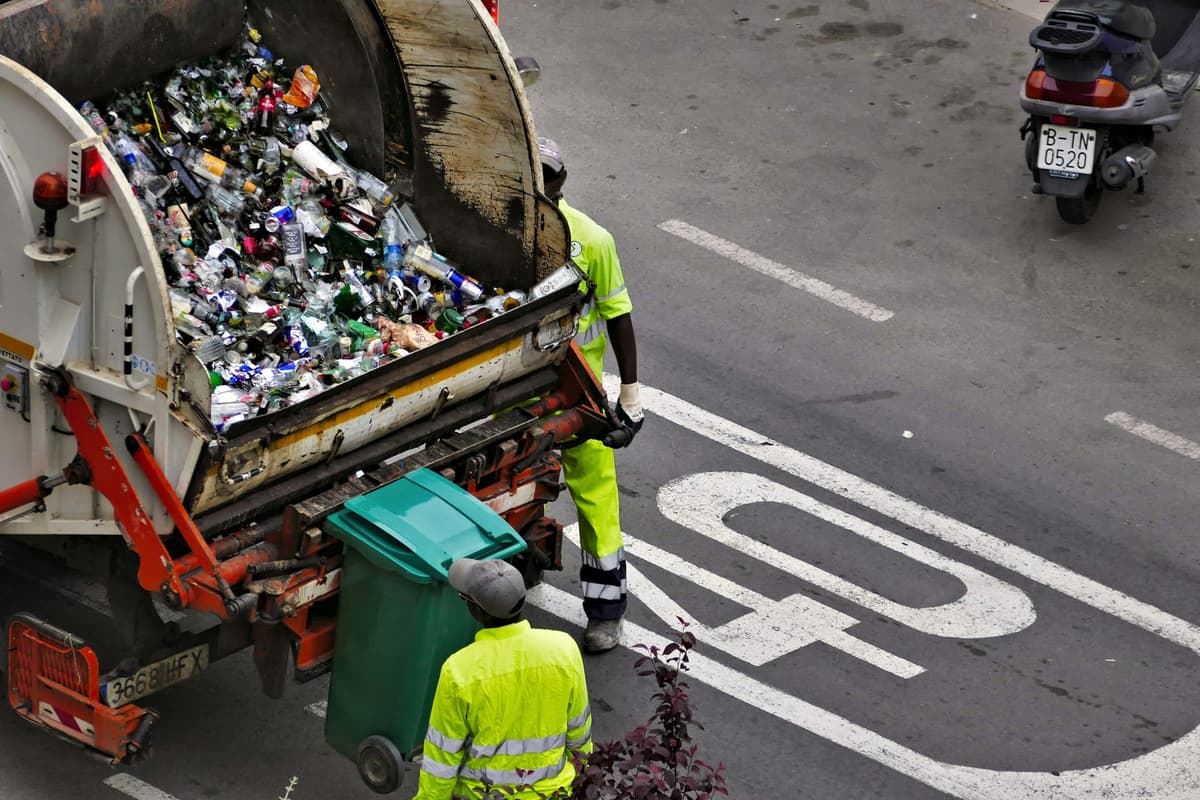
Extended Producer Responsibility (EPR) is a policy that makes the producers, importers and brand owners of a product legally responsible for what happens to it after use. In India, EPR is mandatory and centrally enforced by the Central Pollution Control Board (CPCB) through online registration portals for plastic packaging, e-waste, batteries, used oil and waste tyres. Obligated companies must register, meet annual collection and recycling targets, and file returns backed by verifiable EPR certificates — or pay environmental compensation.
That last part is where most companies quietly fail. Not because they don't collect or recycle, but because they can't prove it to the standard the portals now demand. This guide walks through what EPR compliance in India actually requires in 2026, and how traceability turns a paperwork scramble into a defensible, audit-ready record.
What is EPR compliance?
EPR compliance means fulfilling — and documenting — your legal end-of-life obligations for the products or packaging you put on the market. In practice, for an Indian producer, importer or brand owner (collectively, PIBOs), it breaks into five recurring duties:
- Register on the relevant CPCB EPR portal and get an EPR registration number.
- Declare the quantity of plastic packaging / electronics / batteries you introduce each year.
- Meet targets for collection, recycling, reuse, end-of-life disposal and — increasingly — recycled content.
- Fulfil the obligation by channelling that tonnage to CPCB-registered recyclers, who generate EPR certificates for the material they process.
- File returns (annual, and in some streams quarterly) reconciling your obligation against the certificates you hold.
Miss a step and you're exposed to environmental compensation — a formula-based penalty that scales with the shortfall.
Which rules govern EPR in India?
EPR isn't one law; it's a set of stream-specific rules, each with its own CPCB portal:
- Plastic packaging — the Plastic Waste Management Rules (as amended, 2022 onward) introduced formal EPR with four categories: Category I rigid plastic, Category II flexible (single-layer), Category III multilayered, and Category IV compostable plastics. Each carries collection, recycling, end-of-life and recycled-content obligations.
- E-waste — the E-Waste (Management) Rules, 2022 (in force from April 2023) set year-on-year EPR targets for producers of listed electrical and electronic equipment, fulfilled via certificates from registered recyclers and refurbishers.
- Batteries — the Battery Waste Management Rules, 2022 apply EPR to battery producers with recycling and refurbishment obligations.
- Used oil and waste tyres — separate 2022 rules extend the same registration-and-certificate model.
All of them share one design principle: the obligation is only considered met when it is matched to certificates generated by registered entities on the portal. Your intent doesn't count. Your evidence does.
What is an EPR certificate — and why is it the whole game?
An EPR certificate is the digital proof, generated on the CPCB portal by a registered recycler or processor, that a specific quantity of waste was actually collected and processed. Producers acquire these certificates (directly or through the marketplace) to offset their annual obligation. EPR certificates are, in effect, the currency of compliance — sometimes discussed as EPR credits.
The catch: a certificate is only as trustworthy as the chain of custody behind it. Regulators and auditors increasingly want to see that the tonnage on the certificate maps to real, dated, GPS-verifiable movements of material from a generator, through a collector, to a registered facility. Double-counting, ghost tonnage and unverifiable claims are exactly what the portals — and the courts — are now designed to catch.
What does EPR compliance look like for plastic vs. e-waste?
Plastic packaging (PIBOs): register on the plastic EPR portal, file your baseline and annual plastic figures by category, meet category-wise recycling and recycled-content targets, and reconcile against certificates from registered plastic recyclers. Brand owners with multi-state footprints face the added burden of consolidating data across many suppliers and geographies.
E-waste (producers): register on the e-waste EPR portal, meet a rising annual collection target expressed as a percentage of what you sold in prior years, and fulfil it through certificates from registered recyclers/refurbishers. The traceability challenge here is acute because devices move through informal channels before reaching a formal recycler.
In both cases the recurring pain is the same: assembling defensible, auditable evidence across many parties, states and months — and doing it before the filing deadline, not after a notice arrives.
How do you actually stay compliant — the practical checklist
- Register early on every portal that applies to you; keep your EPR registration numbers current.
- Know your baseline — you can't hit a target you haven't measured. Quantify what you put on the market, by category.
- Work only with registered recyclers — certificates from unregistered entities don't count.
- Capture chain-of-custody data continuously, not at year-end — who collected what, when, from where, and where it was processed.
- Reconcile obligation vs. certificates monthly, so a shortfall is a manageable gap in March, not a penalty in October.
- Keep an audit trail that can survive scrutiny: timestamps, weights, locations, facility IDs, and the certificate each consignment maps to.
Where traceability comes in
Every hard part of EPR compliance is, underneath, a traceability problem: proving that a specific quantity of waste moved from generation to a registered facility, once, verifiably. That's precisely what a digital traceability platform is built to do.
This is the gap Reclevo is designed to close. The [Reclevo disposal platform](/products/reclevo-app) records every consignment — generator, collector, driver, facility — with real-time GPS tracking and digital documentation, so each tonne carries a tamper-evident, dated chain of custody from generation to disposal. [RwAM](/products/rwam) gives municipalities and facilities the asset- and workforce-level operating record underneath it. Together they turn EPR from a year-end reconciliation scramble into a running, audit-ready ledger — the difference between *claiming* compliance and being able to *prove* it. (For the fundamentals, see our primer on [what waste traceability is](/blog/what-is-waste-traceability).)
The bottom line
EPR in India has crossed the line from paperwork to hard, portal-enforced, penalty-backed obligation — across plastic, e-waste, batteries and more. The companies that will find 2026 easy aren't the ones that collect the most; they're the ones that can prove what they collected, to the standard the certificates demand. Build the traceable record continuously, reconcile it monthly, and EPR stops being a risk and becomes just another well-run process.
*Working out your EPR traceability setup? [Talk to the Reclevo team](/contact) — we'll walk through how a verifiable chain of custody maps to your reporting obligations.*
Written by
Reclevo Team
Policy & Compliance