Scope 1, 2 & 3 Emissions Explained: The 'E' in ESG
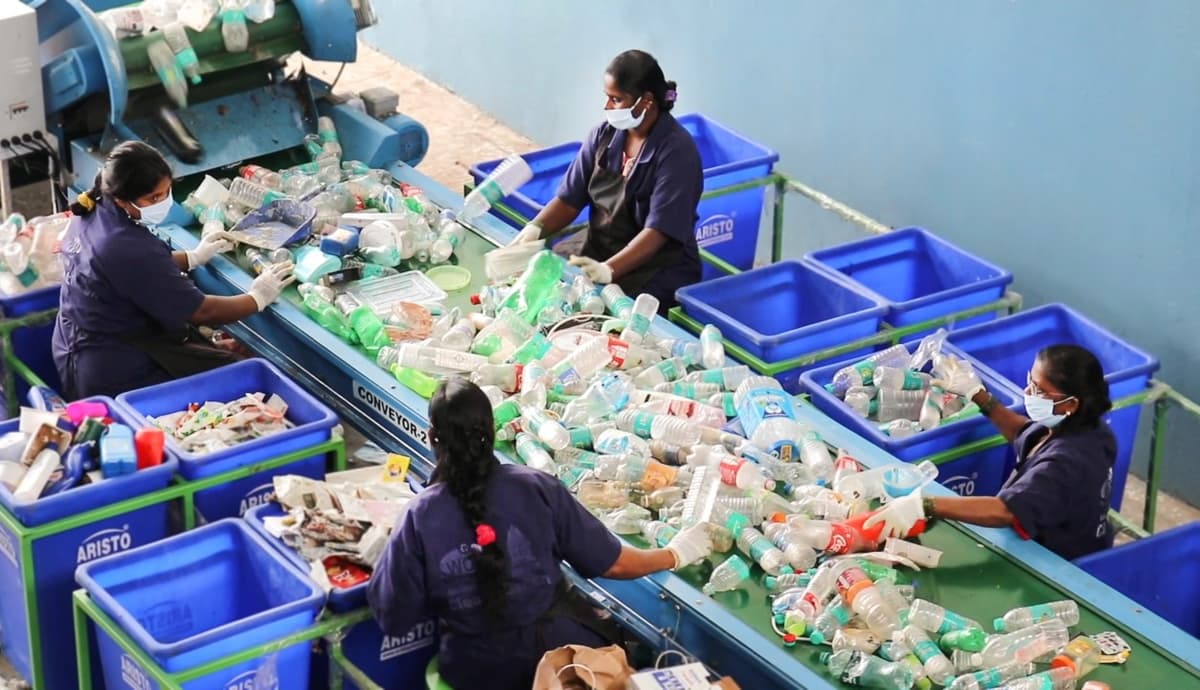
ESG — Environmental, Social, and Governance — is how the world now measures whether a company is built to last. And at the centre of the "E" sits one number that regulators, investors, and customers all care about: greenhouse gas emissions. But "emissions" is not a single figure. Under the GHG Protocol — the global standard — every emission a company is responsible for falls into one of three scopes. Understanding them is the foundation of any credible ESG report.
The three scopes
| Scope | What it covers | Examples |
|---|---|---|
| Scope 1 | Direct emissions from sources a company owns or controls | On-site fuel combustion, company vehicles, process emissions |
| Scope 2 | Indirect emissions from purchased energy | Purchased electricity, steam, heating, cooling |
| Scope 3 | All other indirect emissions across the value chain | Purchased goods, transport, business travel, waste generated in operations, product use |
Think of it as concentric circles. Scope 1 is what you burn. Scope 2 is what you buy to run. Scope 3 is everything else your business sets in motion — upstream and downstream.
Scope 3 is the elephant in the room
For most companies, Scope 3 is by far the largest share of the footprint — frequently 70% or more — and by far the hardest to measure, because it lives in other people's operations: suppliers, logistics partners, customers, and waste handlers.
The GHG Protocol splits Scope 3 into 15 categories. A few that matter most:
- Category 1 — Purchased goods & services
- Category 4 & 9 — Upstream and downstream transport
- Category 5 — Waste generated in operations
- Category 6 & 7 — Business travel and employee commuting
- Category 11 — Use of sold products
Notice Category 5: the waste a company generates is a formal, reportable part of its carbon footprint. How that waste is handled — landfilled and left to emit methane, or diverted, tracked, and treated — directly changes the number a company reports.
Why the scopes sit at the heart of ESG
Emissions reporting is moving from voluntary to mandatory:
- In India, the Business Responsibility and Sustainability Reporting (BRSR) framework requires the largest listed companies to disclose environmental performance, with value-chain (Scope 3) elements increasingly in scope.
- Globally, disclosure regimes and frameworks (GRI, SASB, and mandatory climate reporting) are pushing companies to measure and report all three scopes — and to have that data assured, much like financial statements. (This is a big reason the Big 4 are all in on carbon.)
Once emissions are measured, the strategy is consistent: reduce what you can, then offset the residual with high-quality, verifiable carbon credits.
Where waste fits — a hidden lever
Here's the opportunity most companies miss. Waste is a Scope 3 emissions source you can actually control. Diverting organic waste from landfill stops methane at the source — a gas that traps far more heat than CO₂ over its first decades in the atmosphere. Recovering materials avoids the emissions of producing them new. Done right, waste management moves from a cost centre to a measurable emissions reduction — and, with proof, a source of credits.
The catch is the same as always: you can only report and reduce what you can measure and verify. That is exactly what waste traceability provides — a verifiable chain of custody that turns "waste generated in operations" from an estimate into an audited number, and the operational layer behind the Reclevo platform and RwAM.
Frequently asked questions
What is the difference between Scope 1, 2 and 3?
Scope 1 is direct emissions from what you own or control; Scope 2 is from the energy you purchase; Scope 3 is all other indirect emissions across your value chain — usually the largest and hardest to measure.
Why is Scope 3 so important?
Because it is typically the majority of a company's footprint and the area investors and regulators scrutinise most. It is also where real reductions — including better waste management — can have outsized impact.
How does waste count in ESG emissions?
Waste generated in operations is Scope 3, Category 5 under the GHG Protocol. How it is handled directly affects a company's reported emissions.
---
The "E" in ESG runs on measured, verifiable emissions data — across all three scopes. To see how Reclevo turns waste from an unmeasured liability into audited, reportable, and creditable impact, explore RwAM, the Reclevo platform, or book a demo.
Written by
Reclevo Team
Climate Tech